
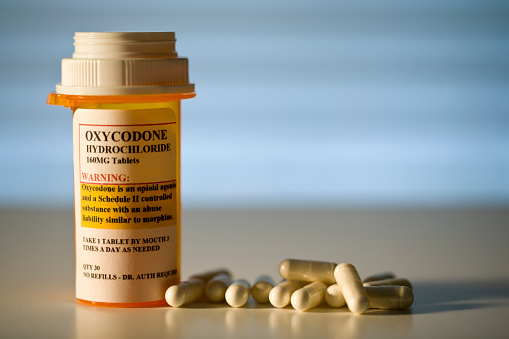


Buy Oxycodone UK
What is oxycodone?
Oxycodone is a prescription medicine used to treat moderate to severe pain when other pain medicines do not work well enough or are not tolerated. Oxycodone is an opioid pain medication, sometimes called a narcotic, that works by activating opioid receptors in the nervous system. Buy Oxycodone UK
Oxycodone is a controlled substance, Schedule II, meaning it has a high potential for abuse.
Oxycodone can be used for acute (short-term) pain, and the extended-release tablets are used around the clock to treat severe and chronic pain that requires longer treatment. Extended-release products should not be used for as-needed pain relief.
Oxycodone is available as:
- immediate-release tablets: oxycodone 5 mg, 10 mg, 15 mg, 20 mg and 30 mg
- immediate-release, abuse-deterrent tablet: oxycodone 10 mg
- immediate-release capsules: oxycodone 5 mg
- immediate-release oral solution: oxycodone 5 mg per 5 mL (1 mg/mL), 100 mg per 5 mL (20 mg/mL)
- extended-release tablets: oxycodone 10 mg, 15 mg, 20 mg, 30 mg, 40 mg, 60 mg, and 80 mg.
Oxycodone should only be used for an extended time if the pain remains severe enough to require an opioid analgesic and other treatment options continue to be inadequate.
Oxycodone brand names include OxyContin, Roxicodone, RoxyBond, Xtampza ER, and Oxaydo. Oxycodone is also available as a generic medicine.
Oxycodone side effects
Common oxycodone side effects
Common oxycodone side effects are:
- headache,
- constipation,
- feeling sick (nausea),
- feeling sleepy (drowsiness),
- dizziness,
- tiredness,
- stomach pain,
- vomiting,
- itching, red eyes, or flushing.
Serious oxycodone side effects
Get emergency medical help if you have signs of an allergic reaction to oxycodone, including hives, difficulty breathing, or swelling of your face, lips, tongue, or throat.
Opioid medicines, including this medicine, can slow or stop your breathing, and death may occur. A person caring for you should administer naloxone and/or seek emergency medical attention if you experience slow breathing with long pauses, blue-colored lips, or difficulty waking up.
Call your doctor at once if you have:
- noisy breathing, sighing, shallow breathing, breathing that stops during sleep;
- a slow heart rate or weak pulse;
- cold, clammy skin;
- a light-headed feeling, like you might pass out;
- confusion, unusual thoughts or behavior;
- seizure (convulsions);
- low cortisol levels – nausea, vomiting, loss of appetite, dizziness, worsening tiredness or weakness; or
- high levels of serotonin in the body – agitation, hallucinations, fever, sweating, shivering, fast heart rate, muscle stiffness, twitching, loss of coordination, nausea, vomiting, diarrhea.
Serious breathing problems may be more likely in older adults and in those who are debilitated or have wasting syndrome or chronic breathing disorders.
Long-term use of opioid medication, such as this medicine, may affect fertility (ability to have children) in men or women. It is not known whether opioid effects on fertility are permanent.
Warnings
Oxycodone hydrochloride carries several Boxed Warnings for risk of addiction, overdose, and death; serious or fatal respiratory depression; fatalities from accidental ingestion by children; fatal side effects when used with other respiratory depressants or CYP3A4 inhibitors; the risk of Neonatal Opioid Withdrawal syndrome in babies born dependent on oxycodone; and the Opioid Analgesic REMS program.
MISUSE OF OPIOID MEDICINE CAN CAUSE ADDICTION, OVERDOSE, OR DEATH. Keep the medication in a place where others cannot get to it.
You should not use oxycodone if you have severe asthma or breathing problems, or a blockage in your stomach or intestines.
Oxycodone can slow or stop your breathing. This is more likely in elderly or ill patients, but can occur in anyone taking this medicine.
Fatal side effects can occur if you use opioid medicine with alcohol, or with other drugs that cause drowsiness or slow your breathing.
Taking this medicine during pregnancy may cause life-threatening withdrawal symptoms in the newborn.
Before taking this medicine
You should not use oxycodone if you are allergic to it, or if you have:
- severe asthma or breathing problems; or
- a blockage in your stomach or intestines.
You should not use this medicine if you are already using a similar opioid medicine and are tolerant to it. Do not use this medicine if you have used an MAO inhibitor in the past 14 days, such as isocarboxazid, linezolid, phenelzine, rasagiline, selegiline, or tranylcypromine or have received a methylene blue injection.
FDA-approved indications may vary for different oxycodone forms and strengths. Check the product package insert for indications and usage for each product.
To make sure this medicine is safe for you, tell your doctor if you have ever had:
- breathing problems, sleep apnea;
- a head injury, brain tumor, or seizures;
- drug or alcohol addiction, or mental illness;
- lung disease;
- liver or kidney disease;
- thyroid disorder;
- adrenal disease (such as Addison’s disease;
- urination problems; or
- problems with your gallbladder or pancreas.
Also, tell your healthcare provider if you are pregnant, intending to become pregnant, or breastfeeding.
Buy Oxycodone UK
Pregnancy
If you use opioid medicine such as oxycodone while you are pregnant, your baby could become dependent on the drug. This can cause life-threatening withdrawal symptoms in the baby after it is born. Babies born dependent on opioids may need medical treatment for several weeks. Tell your doctor if you are pregnant before using oxycodone. If you become pregnant while taking oxycodone, do not stop your medication suddenly without talking to your doctor. You may need to decrease your medicine gradually.Buy Oxycodone UK
Breastfeeding
Ask a doctor before using oxycodone if you are breastfeeding. Tell your doctor right away if you notice increased sleepiness (more than usual), breathing difficulties, or limpness in your baby.
How should I use oxycodone?
Take this medicine exactly as prescribed. Follow the directions on your prescription label and read all medication guides. Never use this medicine in larger amounts or for longer than prescribed. Tell your doctor if you feel an increased urge to take more of this medicine.
Never share opioid medicine with another person, especially someone with a history of drug abuse or addiction. MISUSE CAN CAUSE ADDICTION, OVERDOSE, OR DEATH. Keep the medication in a place where others cannot get to it. Selling or giving away opioid medicine is against the law.
Swallow the capsule or tablet whole to avoid exposure to a potentially fatal overdose. Do not crush, chew, break, open, or dissolve
Never crush or break an oxycodone pill to inhale the powder or mix it into a liquid to inject the drug into your vein. This may cause death.Buy Oxycodone UK
Measure liquid medicine carefully. Use the dosing syringe provided, or use a medicine dose-measuring device (not a kitchen spoon).
You should not stop using this medicine suddenly. Follow your doctor’s instructions about gradually decreasing your dose.
Store at room temperature, away from heat, moisture, and light. Keep track of your medicine. Oxycodone is a drug of abuse and you should be aware if anyone is using your medicine improperly or without a prescription.
Do not keep leftover opioid medication. Just one dose can cause death in someone using this medicine accidentally or improperly. Ask your pharmacist where to locate a drug take-back disposal program. If there is no take-back program, flush the unused medicine down the toilet.
What happens if I miss a dose?
Since oxycodone is used for pain, you are not likely to miss a dose. Skip any missed dose if it is almost time for your next dose. Do not use two doses at one time.
What happens if I overdose?
Seek emergency medical attention or call the Poison Help line at 1-800-222-1222. An oxycodone overdose can be fatal, especially in a child or other person using the medicine without a prescription. Overdose symptoms may include severe drowsiness, pinpoint pupils, slow breathing, or no breathing.
Your doctor may recommend you get naloxone (a medicine to reverse an opioid overdose) and keep it with you at all times. A person caring for you can give the naloxone if you stop breathing or don’t wake up. Your caregiver must still get emergency medical help and may need to perform CPR (cardiopulmonary resuscitation) on you while waiting for help to arrive.
Anyone can buy naloxone from a pharmacy or local health department. Make sure any person caring for you knows where you keep naloxone and how to use it.
What should I avoid while using oxycodone?
Do not drink alcohol. Dangerous side effects or death could occur.
Avoid driving or operating machinery until you know how this medicine will affect you. Dizziness or severe drowsiness can cause falls or other accidents.
Avoid medication errors. Always check the brand and strength of oxycodone you get from the pharmacy.
What other drugs will affect oxycodone?
You may have breathing problems or withdrawal symptoms if you start or stop taking certain other medicines. Tell your doctor if you also use an antibiotic, antifungal medication, heart or blood pressure medication, seizure medication, or medicine to treat HIV or hepatitis C.
Cytochrome P450 3A4 Interaction The concomitant use of oxycodone with all cytochrome P450 3A4 inhibitors may result in an increase in oxycodone plasma concentrations, which could increase or prolong adverse reactions and may cause potentially fatal respiratory depression. In addition, discontinuation of a concomitantly used cytochrome P450 3A4 inducer may result in an increase in oxycodone plasma concentration. Regularly evaluate patients receiving oxycodone and any CYP3A4 inhibitor or inducer
Opioid medication can interact with many other drugs and cause dangerous side effects or death. Be sure your doctor knows if you also use:
- other opioids – opioid pain medicine or prescription cough medicine;
- sedative medications including alprazolam or Xanax, clonazepam or Klonopin, diazepam or Valium, lorazepam or Ativan, temazepam or Restoril, and others;
- sleeping pills;
- muscle relaxants or tranquilizers;
- medicine for depression, anxiety, or other mental illness;
- medicine for Parkinson’s disease;
- migraine headache treatment; or
- medications used for the prevention of nausea and vomiting.
- cold or allergy medicines, bronchodilator asthma/COPD medication, or a diuretic (“water pill”);
- medicines for motion sickness, irritable bowel syndrome, or overactive bladder;
We also have other painkillers like
Dihydrocodeine, Hydrocodone, Morphine,
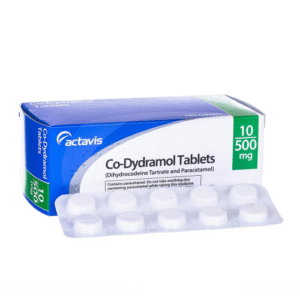
Co-codamol, Co-dydramol,
Methadone, codeine, Tramadol, Oxycontin,
| Qty(100tabs) | 10mg, 20mg |
|---|
Be the first to review “Buy Oxycodone UK”
Related products
Painkiller
Painkiller

Painkiller

Painkiller
Painkiller

Painkiller

Painkiller

Painkiller
Reviews
There are no reviews yet.