
informational
Dihydrocodeine Tablets — Prescription Opioid Painkiller for Moderate to Severe Pain | UK
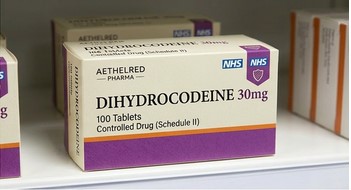
May
Buy Dihydrocodeine Online
Dihydrocodeine is an opioid analgesic (painkiller) prescribed across the United Kingdom for the management of moderate to severe pain. It belongs to a class of medicines known as opioids — substances that act on the opioid receptors in the brain and spinal cord to reduce the perception of pain. Dihydrocodeine is closely related to codeine but is considered somewhat more potent, placing it firmly at Step 2 of the World Health Organisation (WHO) analgesic ladder — between mild analgesics such as paracetamol and ibuprofen, and stronger opioids such as morphine or oxycodone.
Originally developed in Germany in 1908 and first marketed in 1911, dihydrocodeine has been used clinically for over a century. It remains a widely prescribed opioid on the NHS and is available in several formulations from multiple licensed UK manufacturers. Buy Dihydrocodeine Online
In addition to standalone dihydrocodeine products, it is also available in combination with paracetamol under the brand names Co-dydramol, Paramol, Remedeine, and Remedeine Forte. Buy Dihydrocodeine Online
Brand Names for Dihydrocodeine in the UK
Dihydrocodeine is marketed and dispensed under several names in the United Kingdom:
| Product Name | Type | Notes |
|---|---|---|
| DHC Continus | Slow-release tablets | 60mg, 90mg, 120mg strengths |
| DF118 Forte | Standard tablets | 40mg strength |
| Co-dydramol | Combination (dihydrocodeine + paracetamol) | Available in multiple strengths |
| Paramol | Combination (dihydrocodeine + paracetamol) | 7.46mg dihydrocodeine + 500mg paracetamol per tablet |
| Remedeine / Remedeine Forte | Combination (dihydrocodeine + paracetamol) | Forte contains higher dihydrocodeine dose |
| Generic dihydrocodeine | Standard and slow-release tablets | Multiple manufacturers |
Generic dihydrocodeine tablets contain the same active ingredient as branded versions and must meet identical standards set by the Medicines and Healthcare products Regulatory Agency (MHRA). Buy Dihydrocodeine Online
What Is Dihydrocodeine Used For?
Dihydrocodeine is licensed in the UK for the management of moderate to severe pain, particularly when weaker analgesics have proved insufficient. Buy Dihydrocodeine Online
Acute Pain
Dihydrocodeine is commonly prescribed for short-term, acute pain following:
- Surgical procedures — post-operative pain management, particularly when paracetamol and NSAIDs alone do not provide adequate relief
- Serious injuries — fractures, trauma, or severe musculoskeletal injury
- Dental procedures — post-extraction or post-surgical dental pain of moderate to severe intensity
- Medical procedures — short-term procedural or diagnostic pain
Chronic (Long-Term) Pain
When weaker painkillers such as paracetamol, ibuprofen, or aspirin have failed to control ongoing pain adequately, dihydrocodeine may be prescribed for chronic pain conditions including:
- Osteoarthritis — severe joint pain not controlled by first-line analgesics
- Back pain — acute exacerbations of chronic back conditions where non-opioid analgesia is insufficient
- Cancer pain — as part of a palliative care analgesic regimen
- Neuropathic pain — in some cases, as part of a broader pain management strategy
Respiratory Conditions (Off-Label)
In certain clinical contexts, dihydrocodeine has been used for the relief of severe dyspnoea (breathlessness), particularly in patients with advanced respiratory disease or terminal illness. It can also act as a cough suppressant (antitussive) in some formulations, though this is not a primary UK licensed indication for the standard prescription forms. Buy Dihydrocodeine Online
How Does Dihydrocodeine Work?
Dihydrocodeine exerts its pain-relieving effects by binding to mu (μ), kappa (κ), and delta (δ) opioid receptors in the central nervous system (CNS) and peripheral nervous tissue. This binding:
- Inhibits pain signal transmission — reducing the speed and intensity of pain signals travelling from the site of injury through the spinal cord to the brain
- Alters pain perception — changing how the brain processes and responds to pain signals, reducing the subjective experience of pain
- Produces mild sedation — which can contribute to pain relief in some patients
Dihydrocodeine is partially metabolised in the liver, and some of its analgesic effect is attributed to its active metabolite, dihydromorphine. After oral administration, standard tablets begin to work within 1.5 to 2 hours, with a mean half-life of approximately 4 hours. Slow-release formulations take longer to reach peak concentration but provide a more sustained effect over a longer period. Buy Dihydrocodeine Online
Available Formulations and Strengths
Dihydrocodeine is available in the UK in several formulations:
Standard (Immediate-Release) Tablets
- 30 mg — the most commonly prescribed immediate-release strength; taken every 4–6 hours
- 40 mg (DF118 Forte) — a higher-strength immediate-release tablet
Modified-Release (Slow-Release) Tablets
- 60 mg, 90 mg, 120 mg — DHC Continus; designed to be taken twice daily, providing more sustained pain control over 12 hours
Oral Liquid
- A liquid formulation is available for patients who are unable to swallow tablets
Injection
- Dihydrocodeine is available as an injectable solution for administration into the muscle or under the skin; this is typically only used in a hospital setting
Dosage and Administration
Dosing is always individually determined by the prescriber based on the severity of pain, the patient’s age, weight, renal and hepatic function, and response to treatment.
Standard Tablets (Immediate Release)
Adults and children aged 12 and over:
- 30 mg every 4 to 6 hours as required
- Maximum: 180 mg in 24 hours (for immediate-release formulations)
Children aged 4–11 years:
- Dosed by weight under medical supervision
- Not suitable for all children — prescriber guidance is essential
Modified-Release Tablets (DHC Continus)
- Usual adult dose: 60–120 mg twice daily (every 12 hours)
- Maximum: 240 mg per day for modified-release formulations
- Tablets must be swallowed whole — never chewed, crushed, or broken
General Administration Guidance
- Can be taken with or without food, though taking with food may help reduce nausea
- Swallow with a full glass of water
- Space doses evenly throughout the day
- Never take a double dose to make up for a missed one
- If a dose is missed: take it as soon as you remember, unless it is within 4 hours of the next scheduled dose, in which case skip the missed dose and continue at the next regular time. Buy Dihydrocodeine Online
How Long Does Dihydrocodeine Take to Work?
- Immediate-release tablets: Pain relief typically begins within 30–60 minutes and reaches full effect within 1.5 to 2 hours
- Modified-release (slow-release) tablets: Take longer to reach full effect but provide pain relief that lasts up to 12 hours, making them suited to consistent, round-the-clock pain control
- Injection: Faster onset than oral forms; administered in hospital settings only
Side Effects of Dihydrocodeine
Like all opioid medicines, dihydrocodeine can cause side effects. Many are mild and improve as the body adjusts to the medication, particularly within the first few days of treatment. Buy Dihydrocodeine Online
Common Side Effects (affecting more than 1 in 100 people)
- Constipation — one of the most frequently reported side effects; dihydrocodeine slows intestinal motility. Increasing dietary fibre, fluid intake, and gentle exercise can help. Your prescriber may recommend a laxative for long-term use.
- Nausea and vomiting — taking dihydrocodeine with or just after food usually helps. Nausea typically settles after a few days; an anti-emetic can be prescribed if it persists.
- Drowsiness and fatigue — most pronounced when starting treatment or after dose increases; usually improves within one to two weeks. Do not drive if affected.
- Dizziness and vertigo — including a sensation of spinning and lightheadedness when standing (orthostatic hypotension). Rise slowly from sitting or lying positions.
- Dry mouth — sugar-free gum or artificial saliva products can provide relief. Buy Dihydrocodeine Online
- Headaches — ensure adequate hydration. Avoid alcohol, which can worsen headaches.
- Confusion — particularly in older patients or at higher doses.
Serious Side Effects (less than 1 in 100 people)
Contact a doctor or call NHS 111 immediately if you experience:
- Muscle stiffness
- Persistent dizziness, fatigue, or low energy (possible signs of low blood pressure/hypotension)
Emergency Situations — Call 999 Immediately
Seek emergency medical help if you or someone else experiences:
- Difficulty breathing, slow or shallow breathing (respiratory depression — the most serious risk of all opioids)
- Seizures or fits
- Sudden swelling of the lips, mouth, throat, or tongue
- Loss of consciousness or inability to be woken
- Skin turning blue, grey, or pale (signs of oxygen deprivation)
These may indicate a serious allergic reaction (anaphylaxis) or life-threatening opioid toxicity. Buy Dihydrocodeine Online
Long-Term Side Effects
With prolonged use, dihydrocodeine can cause:
- Tolerance — the body becomes accustomed to the drug, requiring higher doses to achieve the same level of pain relief
- Opioid-induced hyperalgesia — a paradoxical increase in pain sensitivity that can develop with long-term opioid use; managed by gradually reducing the dose
- Physical dependence and addiction — dihydrocodeine is an opioid and carries a meaningful risk of dependence, particularly with long-term use or in those with a history of substance misuse. For this reason, doses are regularly reviewed, and treatment plans typically include a plan for dose reduction and discontinuation. Buy Dihydrocodeine Online
Who Can and Cannot Take Dihydrocodeine
Who Can Take It
Most adults can take dihydrocodeine. It can be prescribed to children, though it is usually only given to those aged 4 years and over, and always under close medical supervision. Buy Dihydrocodeine Online
Who Should Not Take Dihydrocodeine
Dihydrocodeine is not suitable for people who:
- Have a known allergy or hypersensitivity to dihydrocodeine or any of the tablet’s ingredients
- Have acute respiratory depression or severely compromised respiratory function
- Have a head injury or elevated intracranial pressure
- Have obstructive airways disease (e.g. severe COPD or acute asthma)
- Have paralytic ileus (a condition in which the bowel stops functioning)
- Are under 12 years of age for standard 30mg tablets (age restrictions vary by formulation)
Use With Caution In Patients Who Have:
- Liver or kidney problems — dihydrocodeine is metabolised by the liver and excreted by the kidneys; impaired function increases the risk of accumulation and toxicity
- Lung problems or asthma — all opioids can suppress breathing; exercise particular caution
- Stomach conditions — such as inflammatory bowel disease (Crohn’s disease, IBS), as opioids reduce gut motility
- Underactive thyroid (hypothyroidism) — opioid effects may be enhanced
- Myasthenia gravis — a rare neuromuscular condition; opioids may worsen muscle weakness
- A history of substance misuse or addiction — significantly increases the risk of opioid dependence
- Alcohol dependence — opioids and alcohol are both CNS depressants; combined use greatly increases the risk of respiratory depression
- Seizure disorders — opioids can lower the seizure threshold in susceptible individuals
- Older adults — increased sensitivity to side effects, particularly confusion, falls, and respiratory depression
Pregnancy, Breastfeeding and Fertility
Pregnancy
Dihydrocodeine should be avoided during pregnancy unless clearly necessary and prescribed by a specialist. Use during pregnancy, particularly in the third trimester, carries the risk of:
- Neonatal opioid withdrawal syndrome (NOWS) — newborns exposed to opioids during pregnancy may experience withdrawal symptoms after birth, including tremors, irritability, and feeding difficulties
- Respiratory depression in the neonate — opioids can suppress breathing in newborn babies
- Foetal growth restriction — with prolonged use during pregnancy
If you become pregnant while taking dihydrocodeine, contact your GP or specialist immediately. Never stop dihydrocodeine abruptly during pregnancy — this must be managed carefully with medical supervision. Buy Dihydrocodeine Online
Breastfeeding
According to NHS Specialist Pharmacy Service (SPS) guidance updated in March 2026, dihydrocodeine can be used short-term while breastfeeding in mothers of full-term, healthy infants — making it preferable to codeine (which should not be used) in this situation. However, always discuss with your prescriber before taking any opioid while breastfeeding, and monitor your infant for signs of sedation. Buy Dihydrocodeine Online
Fertility
The effects of dihydrocodeine on human fertility are not fully established. Long-term opioid use has been associated with hormonal disruption (opioid-induced endocrinopathy), which may affect fertility in both men and women. Discuss this with your doctor if fertility is a concern. Buy Dihydrocodeine Online
Drug Interactions: What to Avoid With Dihydrocodeine
Always inform your prescriber and pharmacist about all medications you are taking — including over-the-counter medicines, herbal supplements, and recreational drugs — before starting dihydrocodeine.
Combinations That Increase the Risk of Serious Side Effects
- Other opioid analgesics (e.g. morphine, codeine, tramadol, fentanyl) — additive CNS and respiratory depression; risk of overdose
- Benzodiazepines (e.g. diazepam, lorazepam, temazepam) — markedly increased risk of respiratory depression, sedation, and death; this combination is associated with a significant proportion of opioid-related fatalities in the UK
- Alcohol — CNS depressant; significantly enhances sedation and respiratory depression; must be avoided
- Monoamine oxidase inhibitors (MAOIs) (e.g. phenelzine, tranylcypromine) — serious and potentially fatal interactions; do not take dihydrocodeine within 14 days of stopping an MAOI
- Other CNS depressants — antihistamines, sleep aids (z-drugs), antipsychotics, antidepressants, and muscle relaxants all enhance sedative effects
- Gabapentin or pregabalin — combination with opioids is associated with increased risk of respiratory depression and fatality; closely monitored when co-prescribed.Buy Dihydrocodeine Online
Combinations That May Reduce Dihydrocodeine’s Effectiveness
- Opioid antagonists (e.g. naltrexone, naloxone) — will block or reverse the effects of dihydrocodeine
Legal Status in the UK: Dihydrocodeine as a Controlled Drug
Dihydrocodeine is classified in the United Kingdom as a Schedule 2 Controlled Drug under the Misuse of Drugs Regulations 2001 and a Class B substance under the Misuse of Drugs Act 1971. Buy Dihydrocodeine Online
This places it under stricter legal controls than Schedule 3 drugs such as pregabalin or tramadol. Key requirements include:
- Prescription only: It is illegal to possess dihydrocodeine without a valid prescription
- Written prescriptions required: Prescriptions must be handwritten or comply with specific electronic prescription requirements and must be signed by an authorised prescriber
- Prescription validity: Valid for 28 days from the date of issue; pharmacies cannot dispense after this date
- Controlled drugs register: Pharmacies must record every supply in the controlled drugs register
- Safe custody: Schedule 2 controlled drugs must be stored in a locked controlled drugs cabinet in pharmacies and healthcare settings
- Maximum supply: Prescriptions are generally limited to a maximum of 30 days’ supply
- Emergency supply NOT permitted without a valid prescription
- Illegal to supply to others: It is a criminal offence to give, sell, or otherwise supply dihydrocodeine to another person, even if you hold a legitimate prescription for it yourself.Buy Dihydrocodeine Online
Dihydrocodeine vs Codeine: What Is the Difference?
Dihydrocodeine and codeine are both opioids used for moderate pain and cough suppression, and they are chemically related. However, there are important differences:
| Feature | Dihydrocodeine | Codeine |
|---|---|---|
| Potency | Slightly more potent | Less potent |
| Metabolism | Partially via CYP2D6 | Heavily dependent on CYP2D6 |
| Ultra-rapid metabolisers | Less affected | Serious risk of toxicity |
| Breastfeeding | Short-term use acceptable (SPS 2026) | Should NOT be used |
| Children post-tonsillectomy | Caution in under-18s | Contraindicated |
| Available strengths | 30mg–120mg | 15mg–60mg (in combinations) |
| WHO ladder position | Step 2 | Step 2 |
A significant clinical advantage of dihydrocodeine over codeine is its more predictable metabolism. Codeine must be converted to morphine by the liver enzyme CYP2D6; people who are ultra-rapid metabolisers of this enzyme can develop dangerously high morphine levels, which has led to serious and fatal events particularly in children post-tonsillectomy. Dihydrocodeine is less dependent on this enzyme pathway, making it a safer alternative in many patients. Buy Dihydrocodeine Online
Stopping Dihydrocodeine: How to Discontinue Safely
Never stop taking dihydrocodeine suddenly, particularly after prolonged use. Abrupt discontinuation of opioids can trigger withdrawal symptoms, which may include:
- Anxiety, restlessness, and irritability
- Sweating and shivering
- Muscle aches and cramps
- Nausea, vomiting, and diarrhoea
- Insomnia
- Yawning and runny nose
- Increased heart rate and raised blood pressure
A gradual dose reduction (tapering) plan should always be agreed between the patient and their prescriber. The speed of tapering is individualised — typically no faster than one dose reduction every one to two weeks — and may need to be much slower for patients who have been on high doses for an extended period. NHS Somerset ICB guidance (2022) recommends converting from modified-release to immediate-release formulations before beginning the taper, to allow for finer dose adjustments. Buy Dihydrocodeine Online
If you are concerned about dependence on dihydrocodeine, speak to your GP without delay. This is a recognised medical issue and your doctor will not be judgemental. Support is available from your GP, local drug and alcohol services, and NHS specialist pain clinics. Buy Dihydrocodeine Online
Storage Instructions
- Store below 25°C in a cool, dry place, protected from direct light
- Keep in the original packaging
- Store in a locked cabinet if children are present in the household
- Keep out of the reach and sight of children at all times — opioid medicines are extremely dangerous to children even in small doses
- Do not dispose of dihydrocodeine in household waste or down the sink — return unused or out-of-date medication to your pharmacy for safe disposal in compliance with controlled drug requirements
- Never leave dihydrocodeine unattended or accessible to others.Buy Dihydrocodeine Online
Frequently Asked Questions (FAQs)
What is dihydrocodeine prescribed for in the UK?
Dihydrocodeine is prescribed for moderate to severe pain that has not responded to weaker analgesics such as paracetamol or ibuprofen. This includes post-operative pain, injury-related pain, and chronic pain conditions such as severe osteoarthritis or cancer pain. Buy Dihydrocodeine Online
Is dihydrocodeine stronger than codeine?
Yes, dihydrocodeine is generally considered slightly more potent than codeine and may offer more predictable pain relief due to less dependence on the variable CYP2D6 enzyme pathway for its analgesic activity. Buy Dihydrocodeine Online
Is dihydrocodeine the same as DHC Continus?
DHC Continus is a branded slow-release formulation of dihydrocodeine, available in 60mg, 90mg, and 120mg strengths. Standard dihydrocodeine tablets (30mg) are immediate-release and work faster but for a shorter duration. Buy Dihydrocodeine Online
Can I drink alcohol with dihydrocodeine?
No. Alcohol must be avoided while taking dihydrocodeine. Both are CNS depressants, and combining them significantly increases the risk of respiratory depression, excessive sedation, and potentially fatal overdose. Buy Dihydrocodeine Online
Can dihydrocodeine cause addiction?
Yes. As an opioid, dihydrocodeine carries a genuine risk of physical dependence and psychological addiction, particularly with long-term use. Your prescriber will monitor your treatment closely and review whether continued use is appropriate. If you are worried about dependency, speak to your doctor. Buy Dihydrocodeine Online
How is dihydrocodeine different from tramadol?
Both dihydrocodeine and tramadol are Step 2 opioid analgesics, but they work differently. Tramadol has both opioid and non-opioid mechanisms of action (it also inhibits the reuptake of serotonin and noradrenaline). Dihydrocodeine acts primarily as a classical opioid. They are not interchangeable without prescriber guidance. Buy Dihydrocodeine Online
Can dihydrocodeine be taken with paracetamol?
Yes — dihydrocodeine and paracetamol are commonly prescribed together (as co-dydramol, Paramol, or Remedeine) because they work through different mechanisms and provide complementary pain relief. However, if you are taking a combination product containing both, do not also take separate paracetamol tablets, as this risks paracetamol overdose. Buy Dihydrocodeine Online
What should I do if I take too much dihydrocodeine?
If you or someone else has taken more dihydrocodeine than prescribed, seek emergency medical help immediately. Call 999 or go to A&E. Do not wait for symptoms to develop. Signs of opioid overdose include extreme drowsiness, slow or stopped breathing, unresponsiveness, and blue-tinged lips or fingernails. Take the medicine packet and any remaining tablets to hospital. Buy Dihydrocodeine Online
Report a Side Effect
If you experience a side effect while taking dihydrocodeine, report it to the MHRA via the Yellow Card Scheme at yellowcard.mhra.gov.uk. Your report helps improve medicines safety for all patients in the UK. Buy Dihydrocodeine Online
Additional Resources
- NHS Dihydrocodeine Information: nhs.uk/medicines/dihydrocodeine
- NHS Specialist Pharmacy Service — Dihydrocodeine: sps.nhs.uk
- MHRA Yellow Card Scheme: yellowcard.mhra.gov.uk
- NICE Guideline — Chronic Pain (NG193): nice.org.uk/guidance/ng193
- NICE Guideline — Medicines associated with dependence (NG215): nice.org.uk/guidance/ng215
- Frank (drugs information and support): talktofrank.com
